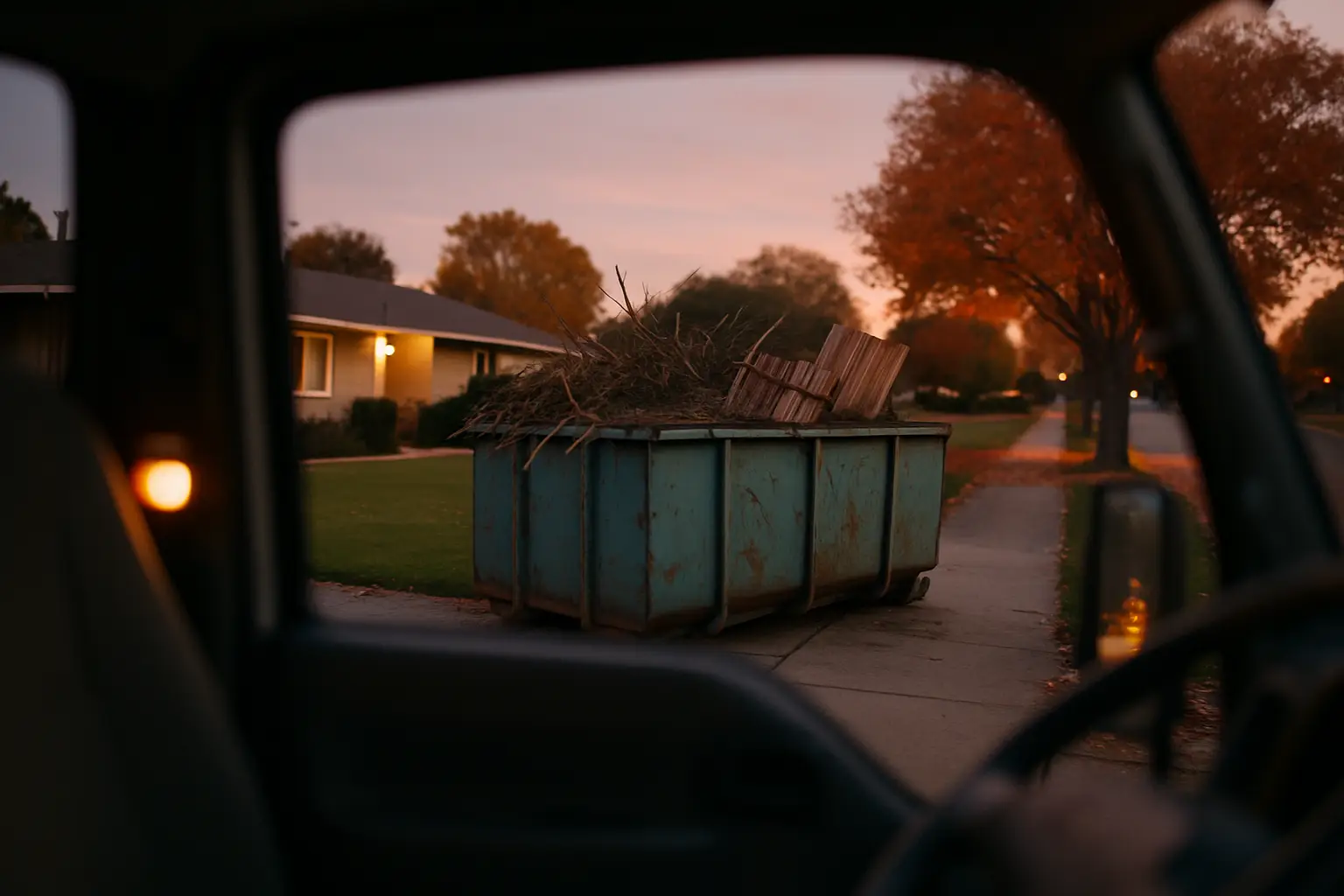
- Open 24/7, Monday to Sunday
- Serving San Mateo County
Common project types
San Francisco dumpsters fit real cleanup work
Each job below uses a different loading pattern, material mix, and access plan. Describe the property, street, and debris before choosing a container.
House Cleanout Dumpsters
For San Francisco homes with accumulated furniture, fixtures, and household debris, choose a size that leaves room to load safely without blocking a narrow driveway or shared access.
Home clearingGarage Cleanout Dumpsters
Garages in San Francisco can double as storage, workshops, or parking areas. A compact container may fit better where an older garage opening, steep approach, or neighboring vehicle limits access.
Tight accessMoving and Decluttering Dumpsters
Moving cleanouts near Pacific Heights, the Mission, or apartment-heavy corridors often involve mixed household material. Plan placement around loading zones, stair access, and the building’s active sidewalk.
Move-out debrisYard Waste Dumpsters
San Francisco landscaping debris may include branches, soil, sod, and broken fencing. Keep heavy soil separate in your planning because weight and steep residential access can affect the suitable container.
Outdoor cleanupHome Renovation Dumpsters
Kitchen, bath, flooring, and room renovations create dense debris in older San Francisco housing. Account for tile, plaster, cabinets, and framing rather than judging size by room count alone.
Remodel debrisRoofing Debris Dumpsters
Roofing work on San Francisco homes requires attention to load weight, alley or driveway access, and wind exposure. Keep shingles contained and explain the roof scope before delivery is scheduled.
Roofing work
Street-level planning
San Francisco placement takes more than open space
San Francisco properties often offer less staging room than a suburban driveway. Older homes in neighborhoods such as Noe Valley, Bernal Heights, and the Richmond may have narrow approaches, shared driveways, garage aprons, or sloped pavement. A container needs level support and enough room for the delivery truck to approach, lower, and leave without striking walls, parked vehicles, utility equipment, or overhead branches. Douglas Dumpster Rental reviews those details before delivery and documents the driveway clearance check the night before.
A container on a public street usually needs permission from the city before it can be placed there. The exact requirement depends on the street, curb use, location, and project circumstances, so tell us whether the container will sit on private property or the public right of way. In dense areas such as SoMa, the Mission, and the Inner Sunset, parking demand and sidewalk activity can make a technically possible placement impractical. Early planning prevents a truck arriving to find the intended space occupied.
San Francisco weather adds another consideration. Wind, wet pavement, and sudden seasonal rain can affect loose debris, cardboard, soil, and roofing material. Loads should stay below the container rim and be covered when appropriate, especially on exposed streets near the bay or along higher grades. Brisbane is the dispatch point for these local routes, and the crew checks the access plan before sending equipment toward a tight residential block or commercial corridor. Availability is 24/7, Monday to Sunday.
Before delivery
Prepare the San Francisco site before dispatch
- Confirm whether the San Francisco container location is private property or public curb space.
- Measure driveway width, overhead clearance, turning room, and slope before selecting placement.
- Move parked vehicles, tools, and loose materials away from the planned San Francisco delivery path.
- Keep debris below the rim and separate unusually heavy material from ordinary renovation waste.
- Tell Douglas Dumpster Rental about stairs, alleys, shared access, active sidewalks, and nearby construction equipment.
Project coordination
Contractors need a placement plan before work starts
Contractors working in San Francisco should settle the container location before demolition begins. A commercial corridor may have loading activity, transit movement, active storefronts, or limited curb availability. A residential renovation may depend on a shared driveway, rear access, or a narrow lane that cannot accommodate casual staging. Give Douglas Dumpster Rental the job address, expected material, access restrictions, and preferred placement. The truck operator can then assess whether the planned location provides enough approach and clearance. If the container must sit on a public street, permission may apply, and the project manager should confirm that requirement before choosing a delivery date.
Swap planning matters when a job produces debris continuously. The old container should be accessible for removal, and the replacement needs a clear landing area without forcing workers to stack material in a travel path. On larger commercial or remodeling projects, separate planning for concrete, soil, roofing, and mixed construction debris can help prevent an overweight or poorly loaded container. San Francisco grades, tight alleys, parked cars, and pedestrian traffic can change the workable plan. Share the sequence of demolition, framing, and finish work so the equipment schedule matches the site rather than interrupting it.
Local answers
Questions San Francisco customers ask before delivery
Do I need permission for a dumpster on a San Francisco street?
A container on a San Francisco public street usually needs city permission before placement, while private property may follow different requirements. The location, curb use, and project details matter. Tell Douglas Dumpster Rental the exact placement area, then confirm any required approval before reserving space and moving vehicles from the approach.
What dumpster size works for a San Francisco home renovation?
The suitable size depends on the material and amount, not simply the number of rooms. A bathroom or small garage cleanout may fit a 10-Yard container, while flooring, cabinets, plaster, and framing can require more room. Older San Francisco homes also need a placement check for narrow driveways, slopes, and shared access before delivery.
Can a dumpster fit on a steep San Francisco driveway?
Sometimes, but the driveway grade, surface, width, overhead clearance, and truck approach must be checked first. A steep or uneven driveway may be unsuitable for safe placement, especially where a wall, parked car, or garage blocks the lowering path. Describe the grade and access clearly so the operator can discuss a workable private location or another plan.
How do I prepare a San Francisco property for dumpster delivery?
Clear the planned landing area, remove parked vehicles, check overhead branches and wires, and leave the truck a straight approach where possible. San Francisco homes may have shared driveways, narrow garages, sidewalks, or sloped pavement that reduce usable space. Identify those conditions before delivery and keep workers, tools, and loose debris out of the access path.
Can contractors schedule dumpster swaps for a San Francisco jobsite?
Yes, swap planning can be coordinated around the project sequence, provided the replacement location and access are ready. Commercial corridors and dense residential blocks may have curb restrictions, active loading areas, and limited staging space. Share the expected debris type, container location, and demolition schedule so the removal and replacement plan does not obstruct the jobsite.
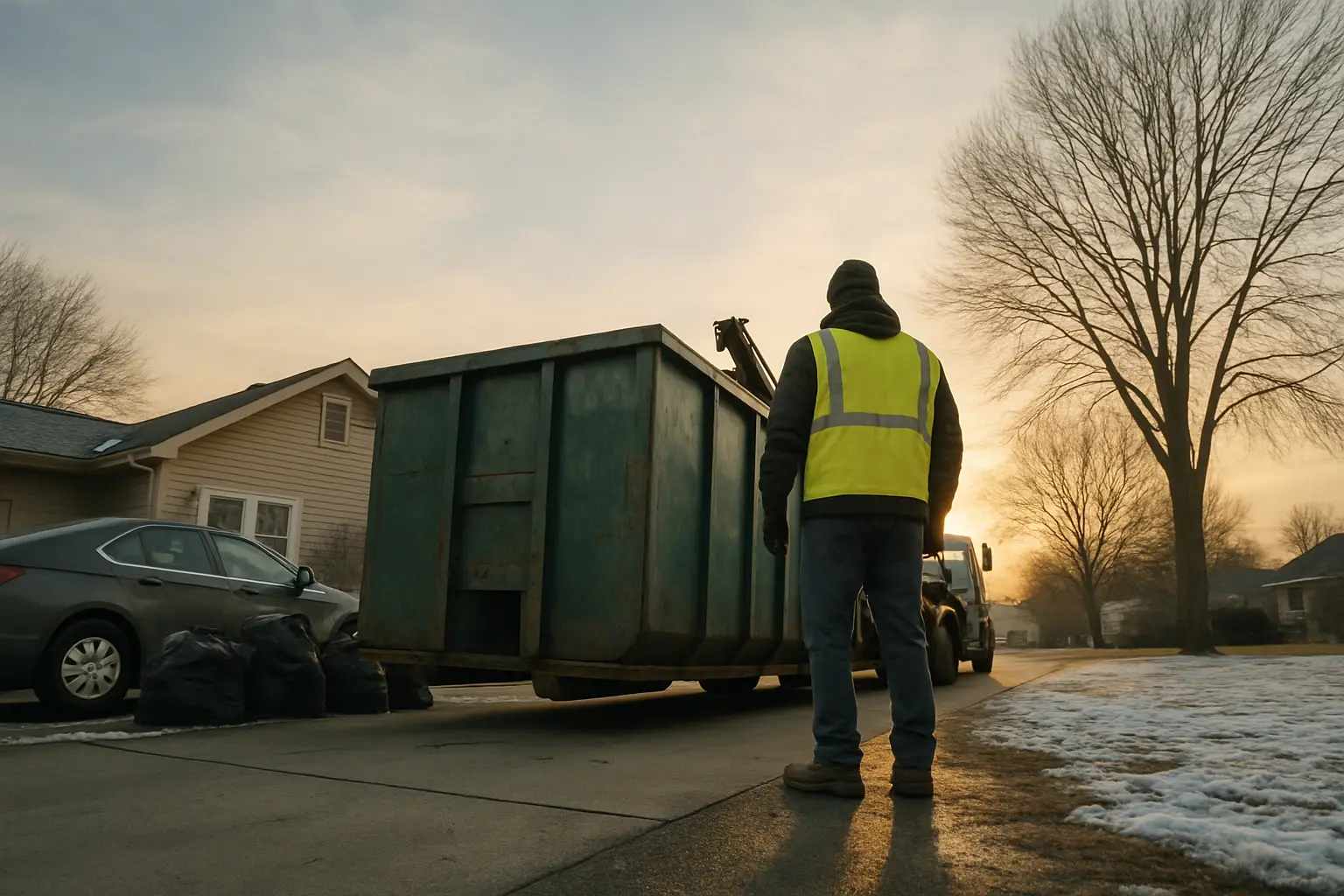
Start with the street and the debris
Have the San Francisco address, material type, preferred placement, access limits, and project timing ready when you call. Douglas Dumpster Rental can then discuss the practical container choice and what needs checking before delivery.
Click Here to Call(628) 261-6925Local routes
Dumpster service reaches San Francisco neighborhoods
Douglas Dumpster Rental serves San Francisco from nearby Brisbane, with placement planning suited to dense blocks, steep residential streets, and active commercial corridors. Routes may include private driveways, alleys, and approved curb locations, subject to access and local requirements. Tell us the neighborhood, property type, and intended landing area so the delivery plan reflects the actual street rather than a generic address.